Before we get into a discussion about how much protein should you consume as a woman in menopause (or post menopause) Let's first look at what protein is and why it's important for our overall health and wellbeing
What Is Protein
I'm going to keep this a simple as possible because I'm not a scientist and google will give you more in depth scientific stuff if you want it. My focus is to help you understand how important it is in the functioning of our bodies and in particular in and after menopause
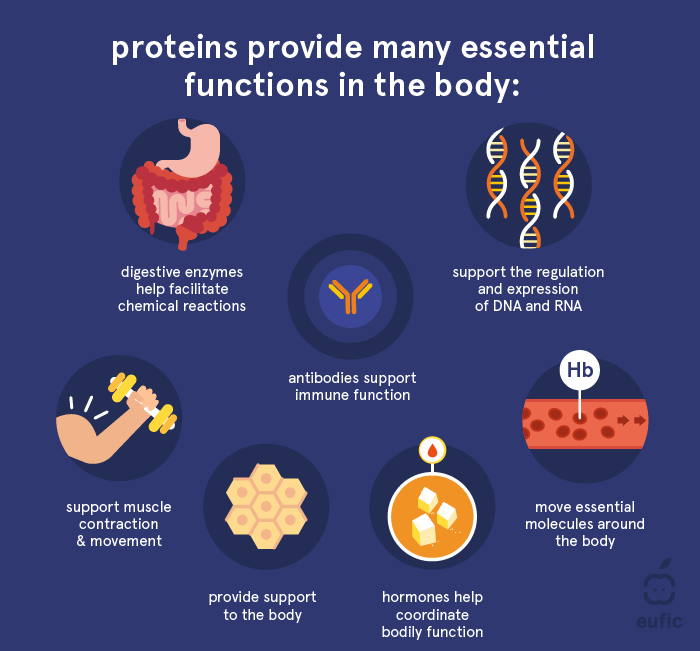
Our bodies are made up of thousands of different proteins, each with a specific function. They make up the structural components of our cells and tissues as well as many enzymes, hormones
Protein is a molecule made up on amino acids. Proteins are needed for the body to function properly. They are the basis of body structures, such as skin and hair. Our body needs dietary protein to supply amino acids for the growth and maintenance of our cells and tissues.
These body proteins are continually being repaired and replaced throughout our lives and this means we must eat dietary protein to keep up with our body’s amino acid demand
Our dietary protein requirement changes throughout life and during and after menopause due to changes in our bodies we actually need more than the recommended consumption.
How Much Protein Do I Need?
The recommended daily intake of protein depends on your age, sex, weight and physical activity and the recommended intake is approximately 0.8 gm per kilogram of body weight
For a 150 pound (68 kilo) person this equates to approximately 55 grams of protein per day. However depending on the amount of physical activity you may require more to support muscle repair and growth.
However studies suggest this is not enough for a post menopause woman and suggest 1.2 - 108.8 grams per kilo of body weight a day.
How Do You Calculate How Much Protein You Need?
It's all based on your body weight and a simple formula to convert your weight in pounds to your weight in kilograms
One Kilo is 2.205 pounds so divide your weight in pounds by 2.205 to get your weight in kilos
One you have this number you multiply it by 1.2 to get your ideal protein intake in grams (recommended for a woman in menopause) versus the average of 0.8 grams
How To Calculate Your Protein From Foods You Eat
In the diagram below there's a quick calculation for you to use
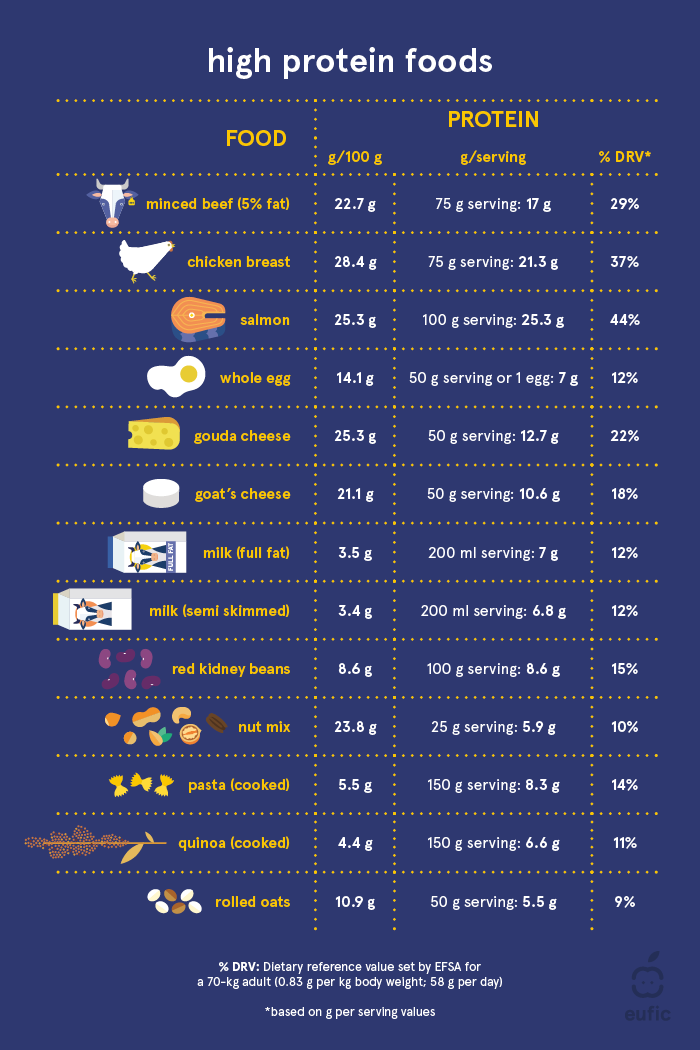
But how do you work it out for yourself when you care preparing your meals?
Let's take chicken for example (if you are vegan then look away) but know nuts and pulses are really good source of protein!
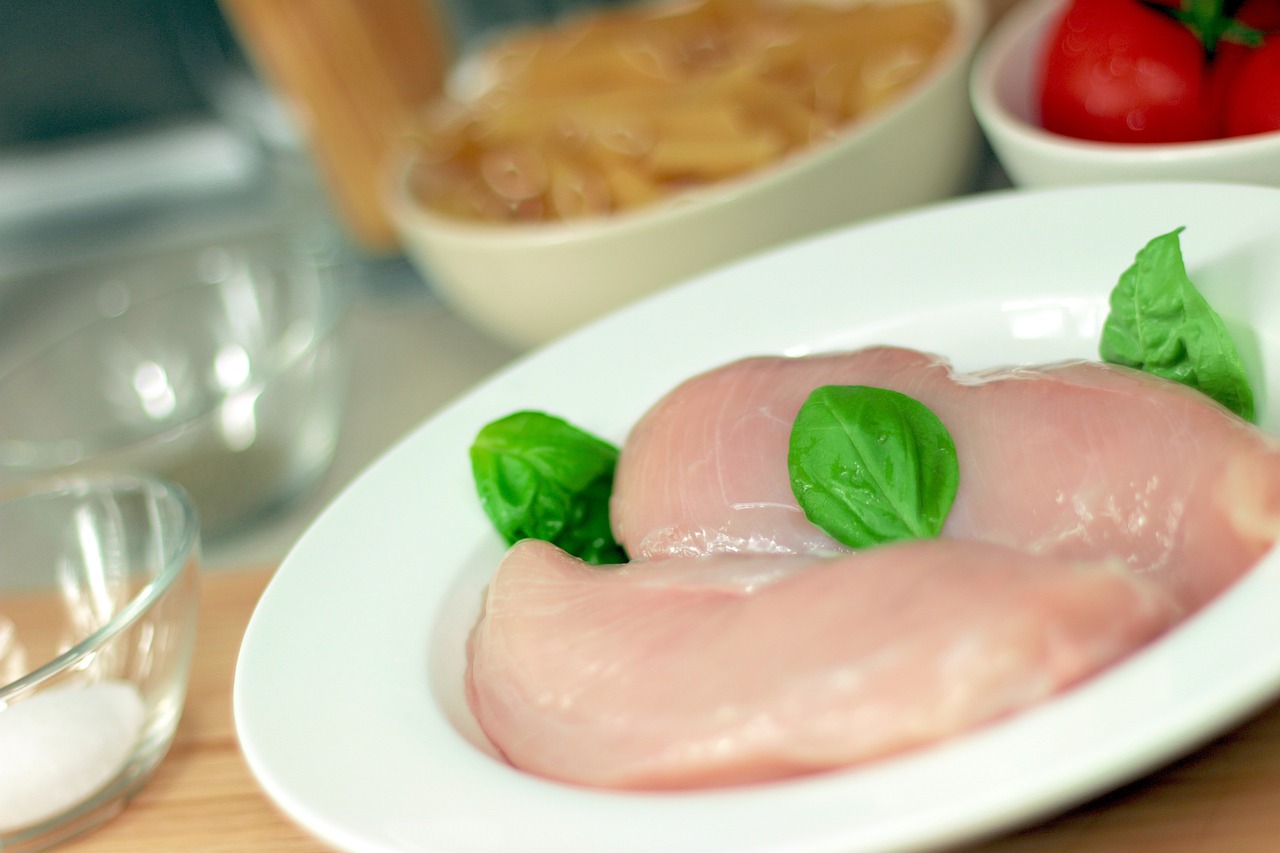
There are of course many factors that influence the exactness of the calculation but as a rough guide (good is good enough as far as I'm concerned)
A 4oz piece of chicken breast (uncooked) will contain approximately 24 grams of protein
Now let's look at fish
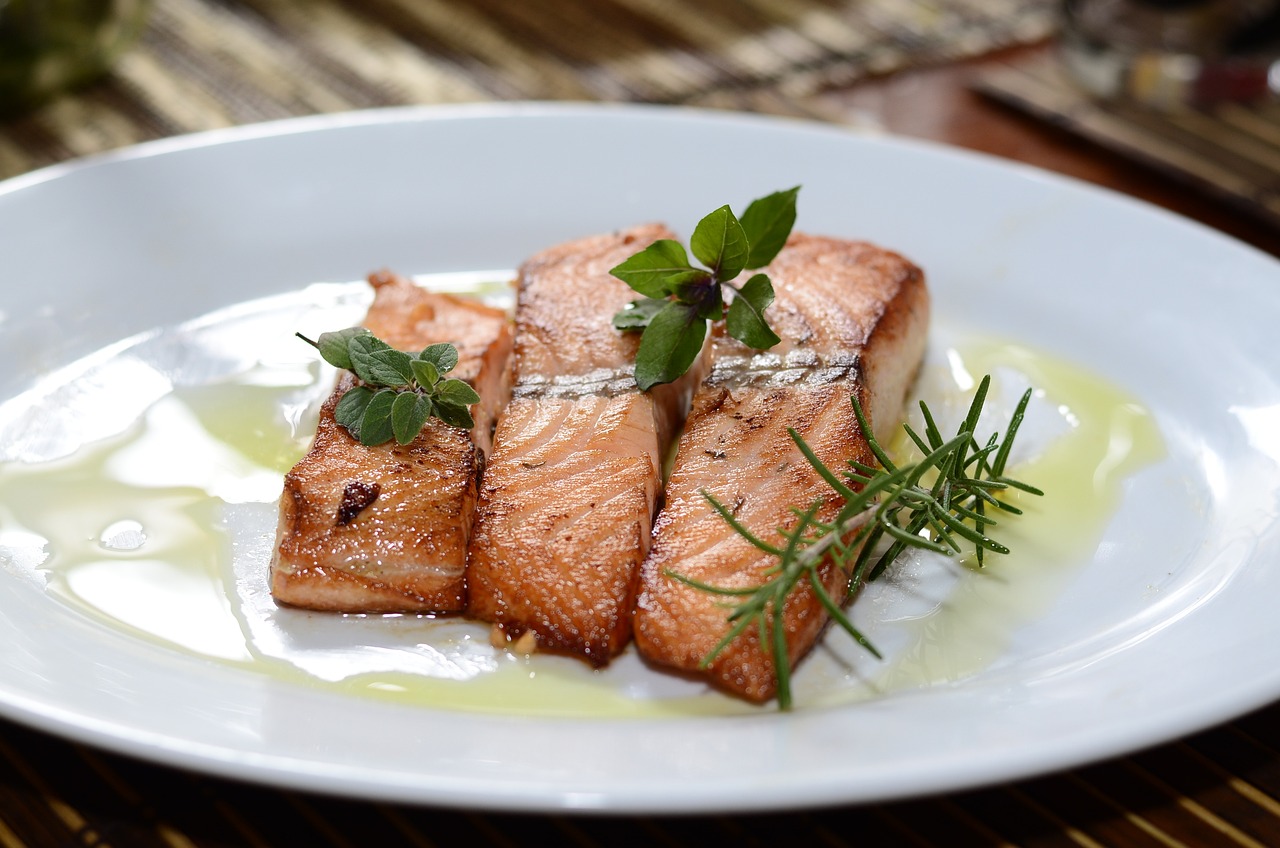
Salmon provides 22–25 grams of protein per 3.5-ounce (100-gram) serving
The best way to find out about the foods you like to eat is just do a google search "how much protein in__________" and you will get a pretty good calculation provided for you
For example I searched for the answer to how much protein in salmon "how much protein in salmon"
The answer was a 100 gram (3.5 oz) salmon fillet (uncooked) contains (on average) 20 grams of protein
And "how much protein in avocado"
Answer was a whole medium avocado contains 3 grams of protein
Use a set of accurate kitchen scales to weigh your food and total up at the end of the day to get a ball park figure (remember good is good enough)
Remember it's important to eat from a variety of sources including lean meats, poultry, fish, dairy, legumes and plant based options
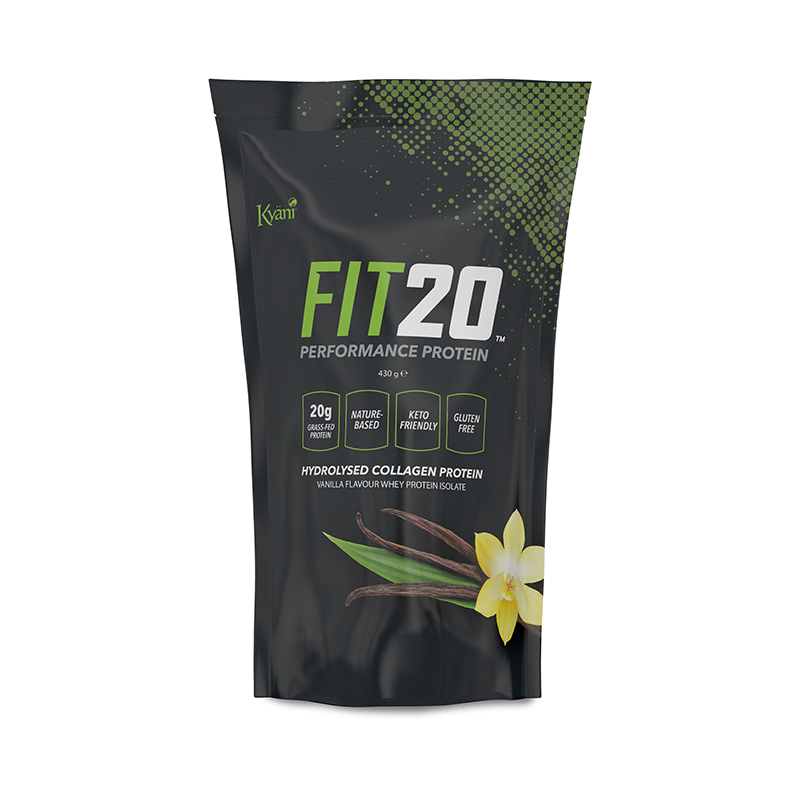
If you find you are not getting enough protein for your lifestyle (for example if you have a fitness routine as I do) consider a good quality protein supplement.
This is my go to supplement as it delivers 20 grams of protein per serving
Why Do We Need More Protein During Menopause?
It's crucial to increase your protein intake during menopause to support overall health and specifically protect and preserve muscle mass and function. As women age, our protein requirements tend to increase because of several factors including changes in muscle protein synthesis and increased risk of muscle loss that comes with hormone changes
Now you know you can take control of your nutrition yourself and start to improve how you look an feel
With thanks to Dr Mary Claire Haver for the facts on why we need more protein during menopause
Highly recommend her book The New Menopause - Navigating Your Path Through Hormonal Change With Purpose, Power And Facts
Resources
What Are Proteins And What Is Their Function In The Body
I hope you found this useful
I honestly had no idea about the importance of this until I sought help from and expert on metabolic health after being unsuccessful in keeping off my increasing weight year on year even though I felt I ate a healthy diet
Knowing the facts about protein really helped and hope it will help you too
I did also throughout my journey take a range of supplements to support my menopause so that I can get the best out of this phase of life
I cover this in my own booklet Happy Menopause if you would like to read it
Happy Menopause UK & European Version
Follow me on Instagram for my Menopause Show and life after 50 tips