
What Are The Benefits of Omega-3 And Should We Be Taking Them As Supplements?
There's much discussion about this from those who don't believe in taking supplements and those who do. To be honest I used to be one of those people who only ever took vitamin C during the winter and only because my Mum used to go on about how important it was
However the Covid 19 years changed a lot for people and many who previously never considered taking supplements began taking them in order to maintain optimum health and that include me and my husband!
What you have to consider is that our diet today is far less healthy as a result of fast and ultra processed food consumption and as a result we don't generally consume enough of the vitamins and minerals we need to maintain optimum health
To put this in perspective let's look at what Omega-3 Fatty Acids are and the health benefits these nutrients offer

What Are Omega-3s?
Omega-3 fatty acids are “good fats” your body needs to function. These fatty acids come in three forms. Alpha-linolenic acid (ALA) is found mainly in plant oils, while seafood is the best source of eicosapentaenoic (EPA) and docosahexaenoic (DHA) acids. Your body absorbs EPA and DHA more easily than the plant-based ALA.
ALA is an essential fatty acid, meaning you need to get it from your diet. Your body can convert ALA into small amounts of DHA and EPA. But getting more from food or supplements helps support many of your body's processes.
Both my husband and I love salmon in it's various forms both cooked, cerviche, cold with salad...
The list is endless but the truth is we don't eat enough to make a big enough difference even when we add in nuts and seeds and our favourite seafood...
It's very likely you are no different to us

Omega-3 fatty acids are crucial for maintaining good heart health. They help lower triglycerides, reduce inflammation, and prevent the formation of blood clots, all of which can reduce the risk of heart disease. Omega-3's also help lower blood pressure, which is another significant risk factor for heart disease. Therefore, if you have a history of heart disease or are at risk for developing it, taking Omega-3 supplements every day could be beneficial.
In fact as both Chris and I have familial high cholesterol for us anything that contributes to lowering our list of a stroke or heart disease is super important
In addition to heart health, Omega-3's are essential for brain function and development. They have been shown to improve cognitive function, memory, and mood, and reduce the risk of age-related cognitive decline. As an older adult, or someone who wants to boost their brain function, taking Omega-3 supplements every day could be helpful.
Furthermore, Omega-3s have anti-inflammatory properties that can benefit those with inflammatory conditions like rheumatoid arthritis, Crohn's disease, and asthma. They can also improve skin health, reduce the risk of certain cancers, and improve eye health. Therefore, if you have any of these conditions or want to improve your overall health, taking Omega-3 supplements every day could be beneficial.
However, it is important to note that not all Omega-3 supplements are created equal. Some supplements may contain low-quality fish oil or be contaminated with toxins like mercury, which can be harmful to your health. Therefore, it is essential to choose a high-quality Omega-3 supplement from a reputable source.
Working with a natural health supplement company it's easy for me to say that our products are the best you will find but it's for you to do your own research and due diligence
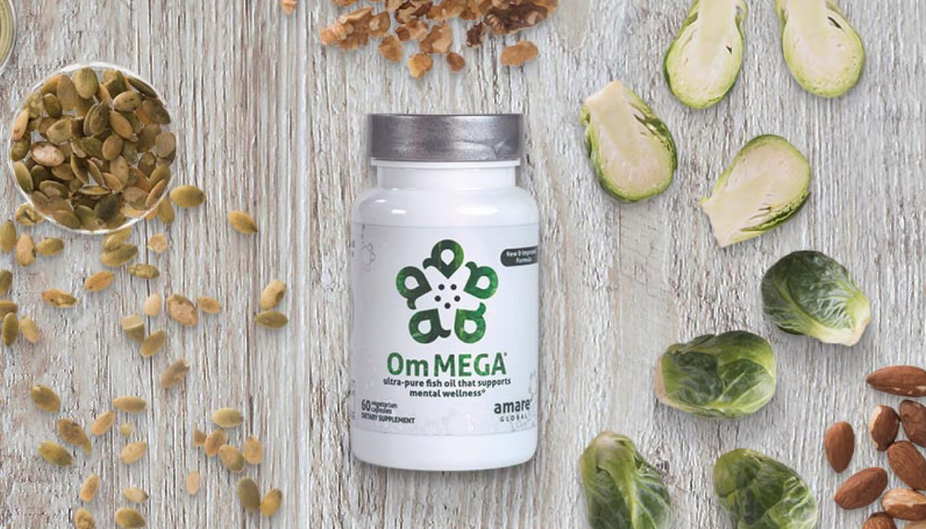
This is the product Chris and I take on a daily basis to supplement our Omega 3's
You can see the science as well as the nutritional components and recommended dosage by clicking here
What Is A High Quality Omega 3 Supplement?
A high-quality Omega-3 supplement is one that meets certain criteria in terms of purity, potency, and sustainability.
When looking to purchase an Omega-3 supplement, here are some important factors to consider:
- Source of Omega-3: Look for supplements derived from high-quality, sustainable sources such as wild-caught fish or algae. These sources tend to provide Omega-3 fatty acids in their most bioavailable forms.
- Omega-3 content: Check the label for the specific amounts of EPA (eicosapentaenoic acid) and DHA (docosahexaenoic acid), as these are the most beneficial types of Omega-3 fatty acids. Higher concentrations of EPA and DHA indicate a more potent product.
- Purity and third-party testing: Ensure that the supplement has been tested by a reputable third-party laboratory to confirm its purity and absence of contaminants like heavy metals, PCBs, and dioxins.
- Bioavailability: Look for supplements that are formulated to enhance the bioavailability of Omega-3 fatty acids, as this increases their absorption and effectiveness in the body.
- Sustainable sourcing: Consider supplements that are sourced from sustainable fisheries or algae farms to help protect marine ecosystems and ensure the long-term availability of Omega-3 sources.
- Certification and quality standards: Look for supplements that adhere to recognized quality standards, such as Good Manufacturing Practices (GMP) certifications, which ensure that the product is manufactured in a safe and controlled environment.
- Form and delivery method: Consider your preferences and specific needs when choosing the form of the supplement, whether it's soft gels, capsules, or liquid. Additionally, consider factors like taste, odor, and potential allergens.
Remember, it is always a good idea to consult with a healthcare professional or a registered dietitian before starting any new supplement regimen, as they can provide personalized advice based on your specific health needs.
In conclusion, taking Omega-3 supplements every day can offer numerous health benefits, especially for heart health, brain function, and inflammatory conditions. However, it is important to choose a high-quality supplement and talk to your doctor before starting any supplement to ensure it doesn't conflict with any pre-existing condition and medicines you may be prescribed
But you know this is common sense
My thanks to Dr Benjamin McLean who provided the resource for this article

I am an independent associate of Amare Global The Mental Wellness Company with a special interest in better mental and physical health and lifestyle for women over 50
My opinions on supplementation are based on my own experience.
Do talk to your doctor before starting any supplement to ensure it doesn't conflict with any health issues you may have that are currently being treated. Sometimes it's necessary to state the obvious 😀